Introduction
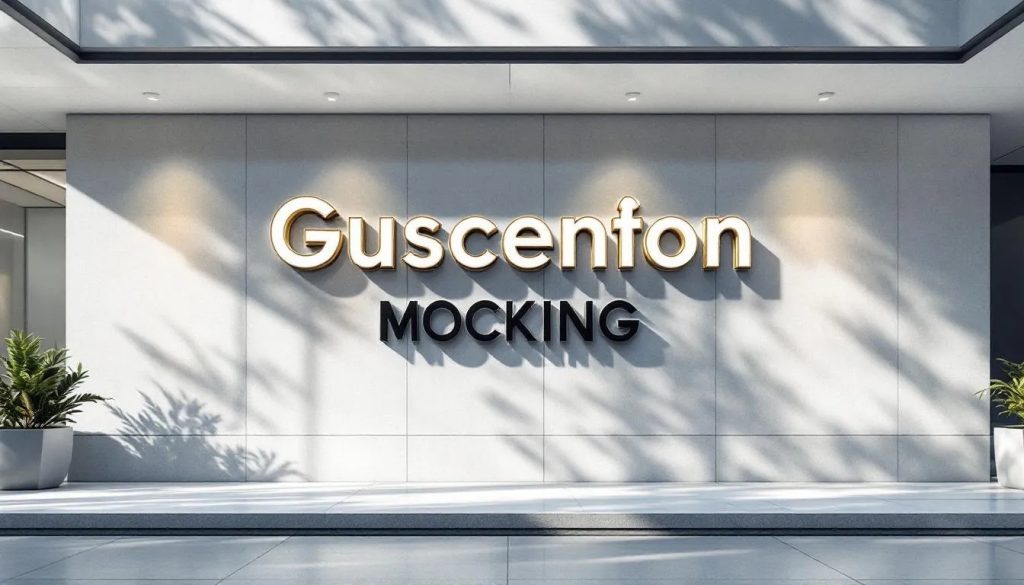
In today’s competitive marketplace, standing out visually is crucial for every business. 3D Signage has become one of the most powerful tools to attract attention and reinforce brand identity. Whether installed on storefronts, office walls, or building facades, 3D signs create a lasting impression with their depth, texture, and illumination.
What Is 3D Signage?
3D signage refers to three-dimensional lettering or logos crafted from durable materials such as acrylic, stainless steel, aluminum, or PVC. These signs add dimension and style, making a brand name appear more dynamic and professional.
Unlike flat printed signs, 3D signage provides a tactile and visual appeal that draws the eye, especially when enhanced with lighting or metallic finishes.
Types of 3D Signage
Businesses can choose from a variety of 3D signage types depending on their environment, branding, and budget.
1. Acrylic 3D Letters
Acrylic is a versatile material that provides a glossy finish and can be illuminated from the back or front. Perfect for indoor and outdoor use.
2. Metal 3D Signage
Made from stainless steel, aluminum, or brass, these signs offer a sleek, corporate look that lasts for years with minimal maintenance.
3. Backlit / LED 3D Signage
One of the most popular options, backlit signs use LED lights to make the letters glow beautifully at night — ideal for high visibility and elegance.
4. Wooden 3D Signs
Used for restaurants, cafes, or boutiques looking for a natural, rustic appeal.
5. Foam and PVC Letters
Lightweight and cost-effective options for indoor branding or event setups.
Why 3D Signage Is Essential for Businesses
- High Visibility: The depth and dimension make your logo noticeable even from a distance.
- Professional Branding: Reflects your company’s quality and attention to detail.
- Durability: Resistant to weather and wear, especially with premium materials.
- Customizable Designs: Adaptable to any color, shape, or lighting style.
- Day & Night Impact: Illuminated 3D signs ensure 24/7 brand exposure.
Applications of 3D Signage
3D signs are used across various industries for both indoor and outdoor branding:
- Building facades and shopfronts
- Office receptions and lobbies
- Retail stores and restaurants
- Exhibition booths and event branding
- Showrooms and corporate interiors
Each application enhances the aesthetic appeal and brand memorability of the space.
Designing and Manufacturing Process
Creating a 3D sign involves several steps to ensure precision and quality:
- Concept & Design: Digital mockups and logo conversions to 3D.
- Material Selection: Acrylic, metal, or composite materials.
- Cutting & Fabrication: CNC or laser-cut letters for perfect edges.
- Finishing: Painting, polishing, or coating for the desired texture.
- Installation: Secure mounting and electrical connections for LED signs.
3D Signage Trends in 2025
Modern signage now blends technology and aesthetics. Businesses are moving towards energy-efficient LEDs, smart lighting control, and hybrid materials that combine glass and metal finishes for futuristic effects.
Eco-friendly materials and sustainable lighting systems are also trending as brands emphasize green initiatives.
Conclusion
3D Signage is more than just a name on a wall — it’s a statement of quality, innovation, and trust. Whether you run a corporate office, retail outlet, or hospitality business, a well-designed 3D sign transforms your brand into a visual landmark.
Investing in 3D signage ensures your business stands out, day and night, with elegance and impact.